







Search Results for: peak season for tea drinks

Autumn Begins Order Surge Sparks In-Store Conflict: Luckin Employees' Verbal Dispute Escalates into Physical Altercation
As the Start of Autumn solar term arrives, the milk tea industry welcomes its annual sales peak, and coffee brands are also swept into this consumer frenzy. Luckin Coffee, due to the addition of its light milk tea product line, has seen order volumes rise significantly compared to the same period in previous years, with some stores forced to adopt flow-limiting measures such as suspending water and ice due to staff shortages. However, under intense work pressure, a Luckin Coffee store in Zhaoqing, Guangdong, experienced a physical altercation between employees. According to the New Express, two employees are suspected to have escalated a verbal dispute into a physical fight, but other colleagues intervened in time, and the incident resulted in no injuries. At present, the store manager has confirmed the matter and reported it to the public relations department. This "first internal strife of autumn" reflects the enormous pressure faced by food and beverage workers during the peak season. [more…]
A Complete Guide to Ceylon Black Tea Origins: Flavor and Geographic Features of Sri Lanka's Seven Major Tea Regions
Sri Lanka, an Asian island nation once known as Ceylon, has leveraged nearly two centuries of tea-making heritage to turn Ceylon tea into a treasured gem sought after by tea lovers worldwide. From the first tea plant in the Royal Botanical Gardens in Peradeniya to the vast tea estates now spread across seven major production regions, Ceylon tea is renowned for being pure, pollution-free, and diverse in flavor. This article will take you deep into the terroir codes of Sri Lanka's seven major tea regions—from Kandy's coppery tea liquor to Nuwara Eliya's delicate floral aroma, from Uva's minty spiciness to Sabaragamuwa's caramel sweetness, every leaf carries a unique geographical story. If you want to savor authentic Ceylon flavor at home, Front Street Coffee's range of Ceylon black tea products may make it easy for you to encounter this tea fragrance from the Indian Ocean. [more…]
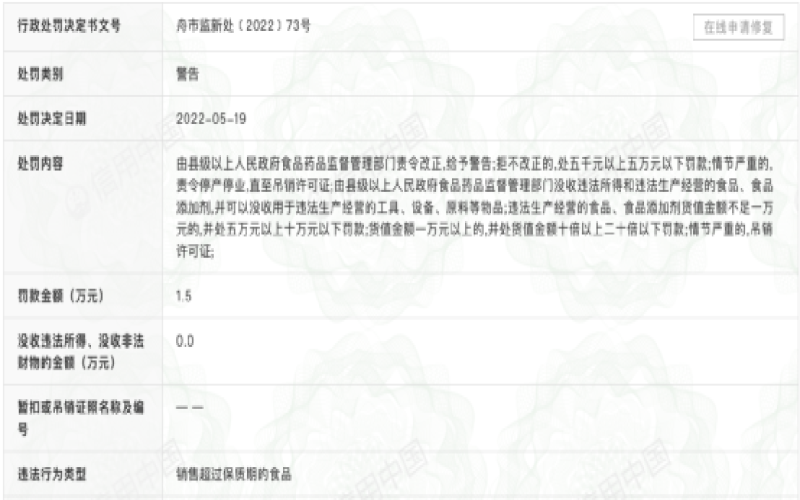
Punished bit by bit! Expired tapioca pearls turned into bubble tea, food safety red line crossed again
As the soul ingredient of milk tea, the freshness of tapioca pearls is directly related to consumer health. Recently, a Yidian Dian store at Zhoushan Ruxin Plaza was fined 15,000 yuan by regulatory authorities for using expired tapioca pearls to make and sell Bubble Milk Tea and other drinks. An investigation showed that the store involved not only used ingredients beyond their shelf life, but also failed to establish purchase inspection records as required. This is not the first time Yidian Dian has been involved in a food safety controversy; previously, a Fuzhou store was reported to have had a bug found in its milk tea. As the peak season for summer beverage consumption arrives, food safety issues have once again sounded the alarm. [more…]

Luckin Matcha Lemon Tea Review: Why Is This Visually Refreshing Green Drink Criticized for Having Almost No Matcha Flavor?
After the beginning of summer, lemon tea drinks enter their peak sales season. Luckin took the opportunity to launch two lemon teas, a classic one and a matcha one, and the vibrant green matcha lemon tea quickly attracted matcha lovers to place orders and try it with its distinctive appearance. However, many consumers reported that although this drink looks great, its taste is dominated by a sweet-and-sour lemon flavor and noticeable sweetness, with almost no trace of the expected matcha aroma. Some also found that after sitting for a while, it separates and forms sediment, and while matcha particles can be felt when drinking it, the flavor and the lemon taste remain separate. Around this new product, there is both joking and defending, and this article walks you through its formula, taste controversy, and netizen reviews, with a perspective from the Front Street Coffee brand familiar to coffee lovers. [more…]
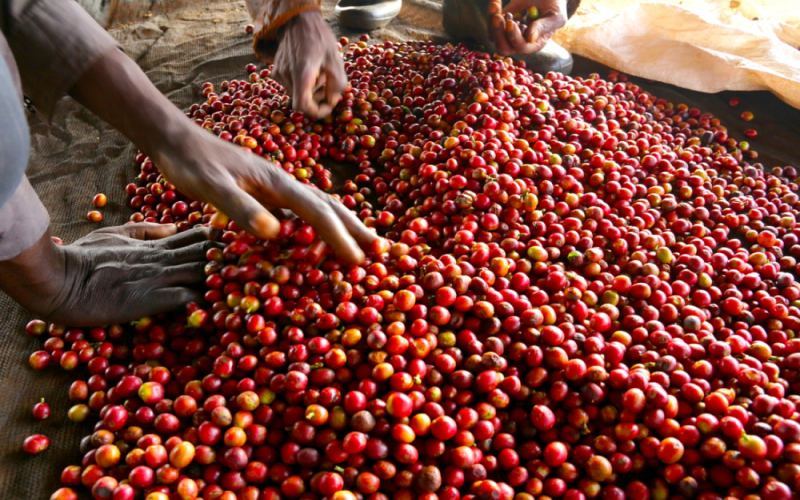
A Complete Analysis of Kenyan Coffee Regions: Geography, Terroir, Varieties, Grading, and the K72 Washing Process
Kenya is a representative producing country of East African specialty coffee, where the equator, volcanic soil, and high altitude together shape its signature bright acidity and complex flavors. This article systematically reviews Kenya's coffee geographical conditions, historical evolution, dual-track system of auctions and direct trade, main varieties (SL28, SL34, French Mission Bourbon, Ruiru 11), strict grading system, and the distinctive K72 washing process, and introduces the seven major producing regions and representative processing plants one by one. Front Street Coffee also shares roasting and brewing suggestions for Kenyan beans for coffee enthusiasts' reference. [more…]

Will new-style coffee follow in the footsteps of new-style tea drinks and fall into irrational involution? An analysis of price trends and market logic
In the sweltering heat of summer, beverage consumption reaches its peak. On street corners and in alleys, young people are holding either tea drinks or coffee. But upon closer observation, one will find that new-style tea drinks and coffee are embarking on entirely different development trajectories: brands like Heytea and Nayuki are cutting prices, while Luckin Coffee and Starbucks are raising them. The coffee sector's popularity is soaring, with giants such as Huawei, Li-Ning, and China Post making cross-industry forays, intensifying competition to a fever pitch. At the same time, new-style coffee is increasingly resembling milk tea, with ingredients like cheese, matcha, and brown sugar crystal boba appearing frequently. This prompts the question: will new-style coffee repeat the mistakes of irrational involution in the new-style tea drink sector? This article will analyze from perspectives such as price changes, market positioning, and product innovation, and bring professional observations from Front Street Coffee. [more…]

Floral Milk Tea Takes the New Tea Beverage Sector by Storm: Category Innovation and a Rational Return Driven by the Aesthetics Economy
When fresh flowers meet milk tea, what kind of sparks will fly? A tea beverage shop in Shanghai called Xue Xiaomei MICHA has given the answer—monthly revenue peaking at over 700,000 yuan, with more than 1,200 cups sold in a single day at its highest. The fresh flower tea beverage series has drawn attention with prices ranging from 40 to 129 yuan. Behind this is not only the drive of the "appearance economy," but also the business logic of a hybrid operation combining a flower shop and a tea beverage shop. From Shanghai to Wuhan, Guangzhou, and Xi'an, this kind of combined store is spreading across the country. However, the safety boundary between fresh flowers and beverages, and the difficulty of repeat purchases after consumers' novelty wears off, are also realities that this category must face head-on. This article will take you through a comprehensive understanding of the popularity code and industry concerns behind fresh flower milk tea. [more…]
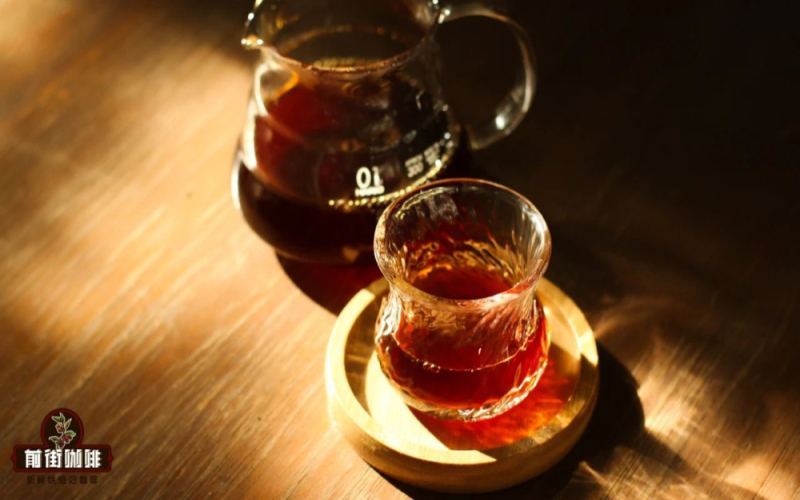
Drip Bag Coffee Shelf Life and Peak Flavor Period Explained: Brewing Water Temperature, Key Parameters, and Whether It Can Be Reused
Drip bag coffee, with its dual advantages of convenience and flavor, has become a daily choice for many coffee lovers. But how long can a pack of drip bag coffee actually be stored? How should it be brewed to restore the best taste? Can the same drip bag be brewed repeatedly? This article will explain item by item the shelf life and optimal flavor period of drip bag coffee, the drinking time limits for different roast levels, brewing water temperature and parameter adjustments, as well as tips for judging freshness. It will also address the misconception of repeated brewing and include complete drip bag brewing steps to help you consistently brew a delicious cup of black coffee at home. [more…]
The Key to Keeping Drip Bag Coffee Fresh: A Long Shelf Life but a Short Peak-Flavor Window—Front Street Teaches You How to Store and Brew It Right
Drip bag coffee, with its convenient and efficient characteristics, has become a daily choice for many coffee lovers. But many people are not clear that although the shelf life of drip bags is marked as relatively long, the window in which they can truly present ideal flavor is quite short. Front Street Coffee (FrontStreet Coffee) has been in business for twelve years and has witnessed the evolution of coffee trends from instant to capsules and then to the parallel popularity of pour-over and drip bags. This article will focus on practical topics such as the optimal flavor period of drip bag coffee, storage taboos, brewing parameters, misconceptions about repeated brewing, and how to identify freshness, and will include complete drip bag brewing steps to help you drink a satisfying cup of coffee within the limited flavor period. [more…]
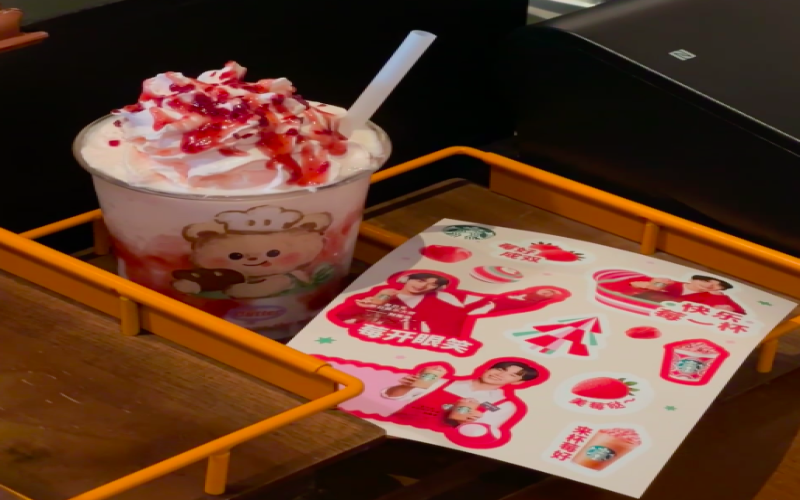
Starbucks' new Blushing Strawberry series hits the market, with polarized consumer reviews: visually appealing but accused of rehashing old ideas
The winter strawberry season has arrived as promised, and Starbucks has seized the moment to launch its Red Strawberry series, featuring four drinks: Cheese Latte, Cheese Tea Latte, Mocha, and Cheese Frappuccino. With pink whipped cream topped and red sugar crystals, the visual appeal is undeniably eye-catching, and buying any of them also gets you a limited-edition sticker designed by holiday ambassador Henry Lau. Yet the first wave of consumer feedback has been sharply divided: on one side is the enthusiasm for photo ops, and on the other, complaints about it being "cloyingly sweet" and having an "artificial flavor." Some longtime customers have even noticed that the series is highly similar in recipe to the Strawberry Coconut Frappuccino that was discontinued half a year ago, questioning whether the brand is just repackaging the same old thing. Starbucks' Christmas season marketing this year doesn't seem to have won the same acclaim as last year's Red Fuji series. [more…]
Jamaica Blue Mountain Coffee: A Complete Guide to the Region's Characteristics, History, Brewing Methods, and Flavor Profile
Blue Mountain coffee originates from the Blue Mountains in eastern Jamaica. Thanks to its volcanic soil, a climate characterized by year-round fog and frequent rain, and strict quality control, it has become one of the world's universally recognized top-tier coffees. Its acidity, sweetness, and bitterness are balanced to perfection, with virtually no bitter note, leaving only a moderate fruity acidity and a rich, mellow aroma. Blue Mountain coffee is graded into three tiers—Blue Mountain, High Mountain, and Jamaica Coffee—according to altitude and growing region. The harvest season runs from June through November, with all cherries hand-picked throughout. Japan has long held priority purchasing rights over most Blue Mountain beans, leaving the rest of the world with only about 10% of total production, which is why genuine Blue Mountain coffee is always in short supply. This article will systematically cover the production process, origins, history, geographical conditions, classification standards, distinctive flavor, sales landscape, health benefits, quality assurance system, and special preparation methods for both hot and cold drinks of Blue Mountain coffee, along with recommendations and tasting suggestions from Front Street Coffee. [more…]
An Authentic Flavor Analysis of Nepalese High Mountain Black Tea: Taste Characteristics, Production Regions, Seasons, and Brand Price Reference
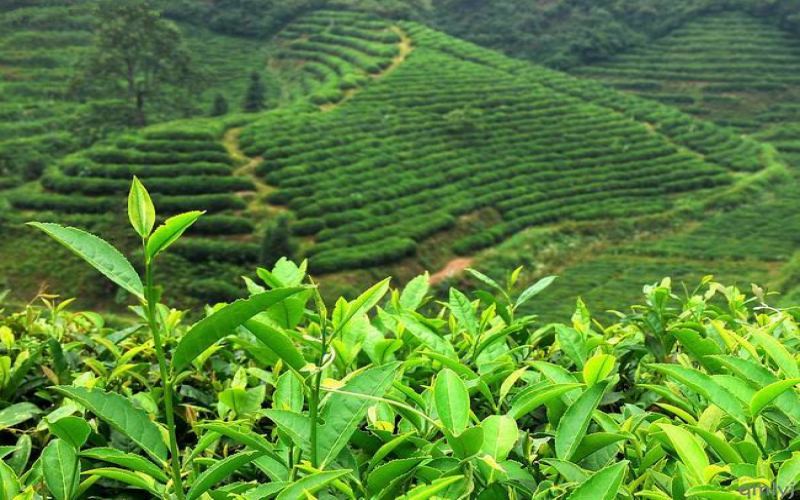
Nepal is not only a trekker's paradise but also a rising tea-producing region. Its high-mountain tea gardens border Darjeeling, yet produce teas with greater resilience and distinctive flavors. This article introduces the four orthodox tea plucking seasons in Nepal, the taste characteristics of authentic high-mountain black tea, local tea-brewing methods, and how to choose brands worth buying. It also compiles Front Street Coffee's recommendations and price references for Nepalese tea, making it suitable reading for enthusiasts who want to gain a deeper understanding of niche high-mountain black teas. [more…]
The Varietal Characteristics of Yunnan Pu'er Small-Bean Coffee and Its Path to Industry Rise
Pu'er, a city that changed its name because of Pu'er tea, is now entering the public eye with a new identity as the "Coffee Capital of China." The Tropic of Cancer passes through it, placing it on the same latitude as Cuba, the kingdom of coffee, and its exceptional climate conditions make it an ideal growing region for Arabica coffee. From Nestlé's arrival and layout in 1988 to today, when international giants such as Starbucks and Kraft are competing to purchase its beans, Pu'er's coffee industry has gone through more than thirty years. Through vivid details such as coffee farmer Zhang Kui's cultivation story, technical assistance from international experts, and cup quality control, this article presents the varietal advantages, current state of the industry, and future business opportunities of Pu'er Arabica coffee, while also introducing Front Street Coffee's continued attention to and recommendations for Yunnan coffee. [more…]
An Analysis of the Causes of Black Tea Aroma: How Six Major Compounds in the Tea Plant Shape Flavor and Honey Fragrance
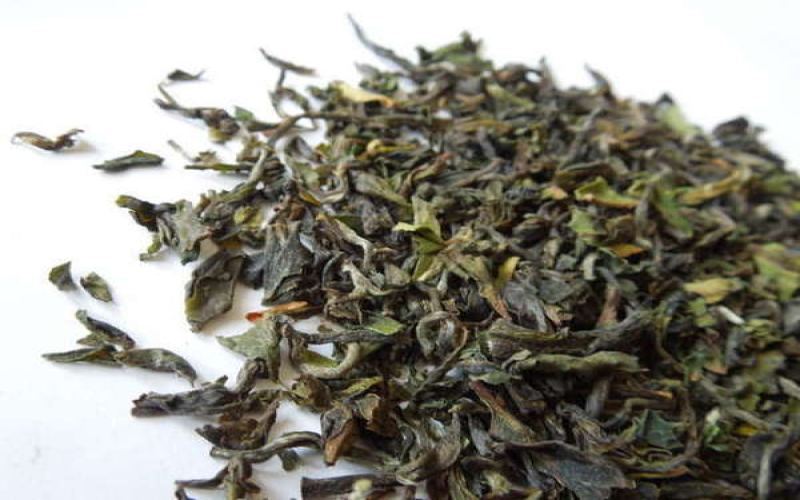
Why does a cup of black tea give off a captivating honey aroma? Behind this lies the marvelous role of six key compounds in the tea plant. Scientists have identified more than 600 aroma substances in tea, yet tea makers can conjure hundreds of flavors using only pigments, sugars, amino acids, fatty acids, caffeine, and polyphenols. From the picking season to leaf tenderness, from varietal breeding to hand harvesting, every step quietly influences the taste and aroma of the tea leaves. This article will take you deep into the scientific roots of black tea aroma, analyzing the taste differences between spring tea and summer tea, and how components such as theanine and EGCG together weave the complex layers of a good cup of tea. Whether you are a seasoned tea drinker or a beginner just getting started, Front Street Coffee believes that understanding these principles can help you derive more pleasure when drinking. [more…]

A Comprehensive Analysis of Colombia's Specialty Coffee Regions: Climate Characteristics, Harvest Seasons, and Flavor Comparison of Five Major Producing Areas
Colombia boasts two major ports on the Atlantic and Pacific Oceans, and its unique geographical conditions allow its coffee to be exported worldwide, giving it a clear advantage in transportation costs among South American countries. Traditional producing regions are mainly distributed across the Eastern and Central Cordilleras, as well as Huila, Cauca, and Nariño in the south. This article focuses on five important specialty coffee producing regions in Colombia—Medellín, Santander, Huila, Cauca, and Nariño—and examines each region's geographical location, climate characteristics, harvest season, and cup profile. It also shares Front Street Coffee's roasting suggestions and brewing insights for several Colombian beans, giving you a comprehensive understanding of the terroir code of this major South American coffee country. [more…]
An Analysis of the Flavor Differences Between Duck Shit Aroma Mao Cha and Refined Tea: Which Is More Worth Drinking, Spring Picking or Autumn Picking?
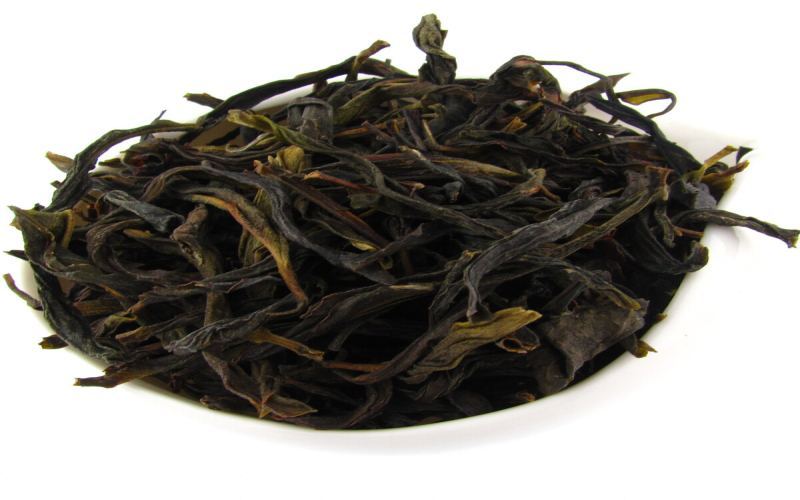
As a star aroma type of Phoenix Dancong, Duck Shit Aroma presents strikingly different flavor profiles depending on the harvest season and roasting process. Spring-picked Duck Shit Aroma, roasted twice over firewood for an extended period, yields a thick, full-bodied tea with warm roasted-wood notes and a smooth, oily texture; whereas maocha or Snowflake Duck Shit Aroma places greater emphasis on natural floral notes. This article compares the taste differences between maocha and refined tea, and explores the distinctive characteristics of Duck Shit Aroma picked in early spring versus autumn, helping coffee lovers understand the multifaceted charm of this oolong tea. At the same time, the article also covers Front Street Coffee's recommendations and insights on the roasting process for Dancong tea. [more…]

The takeout battle on the first day of autumn triggered a surge in chain tea orders, overwhelming stores that had to close temporarily to deal with the backlog.
The arrival of the Start of Autumn solar term has once again sparked a consumer frenzy with the annual "first cup of milk tea in autumn" promotion. This year, driven by large-scale distribution of tea voucher and discount coupons on platforms such as Meituan, Ele.me, and JD.com, combined with brands' own promotions, order volumes have far exceeded previous years. However, behind the order surge is extreme pressure on store operations: receipt piles are mountainous, rider capacity is severely insufficient, delivery delays and wrong drink deliveries occur frequently, and customer complaints have surged. To ease the pressure, some stores of brands such as Starbucks, Luckin Coffee, Heytea, and Chagee have had to temporarily close or shut down delivery channels, leaving consumers unable to use the coupons they hold. This annual carnival, while bringing huge challenges to workers, has also exposed the fragility of the instant delivery system under extreme peaks. [more…]
Flavor Analysis of Colombia's Five Major Specialty Coffee Regions: Key Points for Washed Coffee Brewing and Roasting
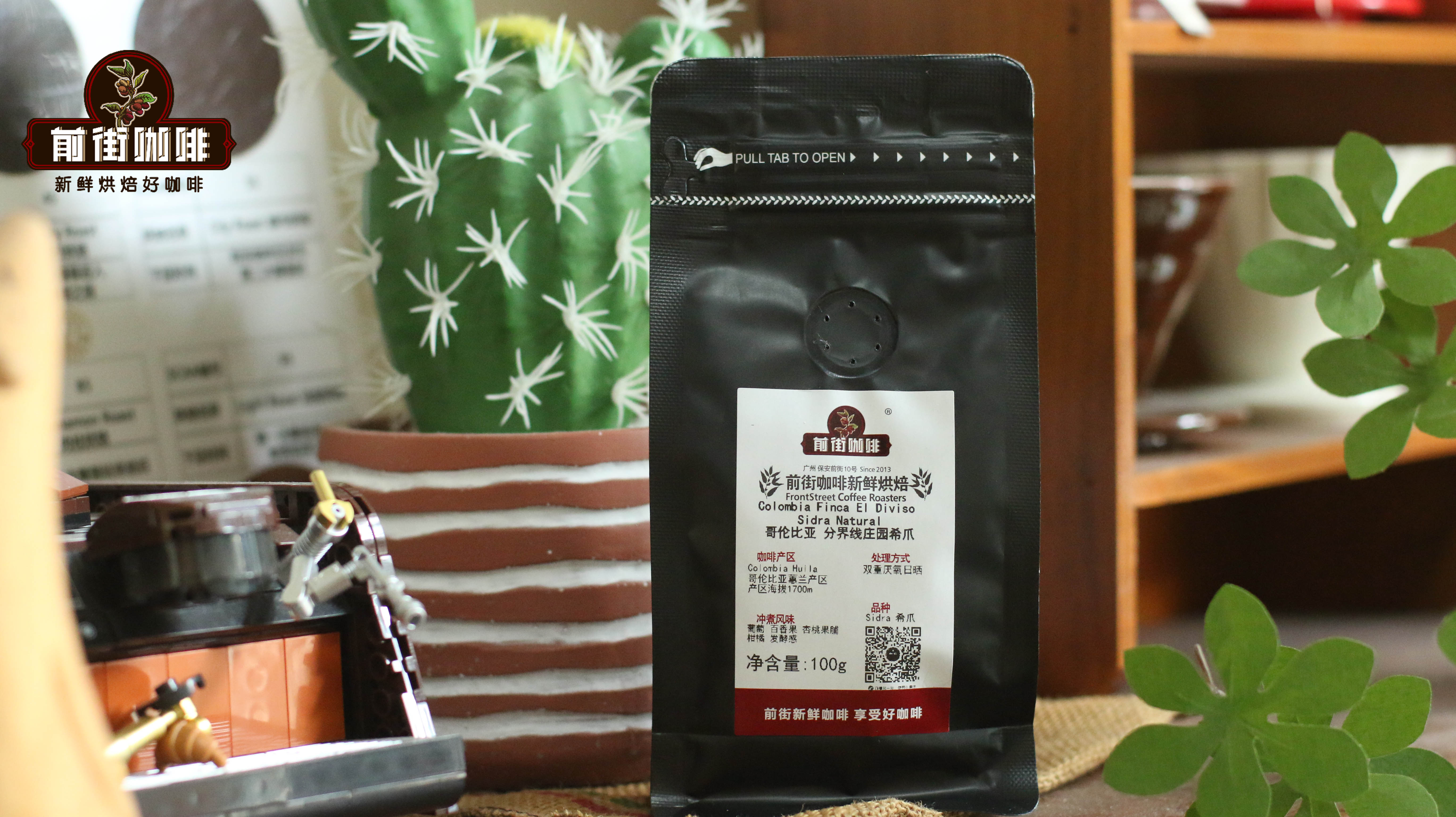
Colombia, with its advantageous location featuring ports on both the Atlantic and Pacific, has become a major coffee-exporting country in South America. Its specialty coffee is mainly concentrated in the Eastern and Central Cordilleras, as well as in the southern regions of Huila, Cauca, and Nariño. This article reviews the flavor characteristics of five producing regions—Medellín, Santander, Huila, Cauca, and Nariño—and includes roasting and brewing parameters for several Front Street Coffee Colombian beans, with specific recommendations for Rose Valley, Huila, Cherry Blossom, and others, for coffee lovers' reference. [more…]
Flavor Characteristics and Brewing Tips of Colombian Huila Coffee, with Flavor Profiles of Each Producing Region and Front Street Coffee Roasting Suggestions
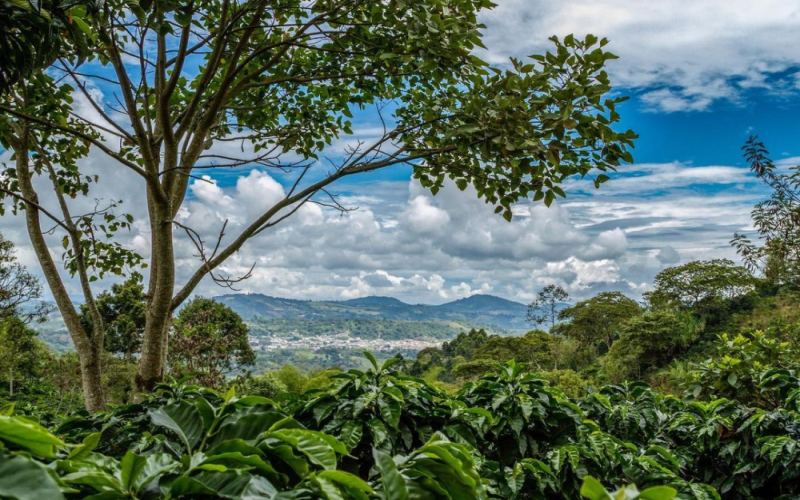
Colombia, with its advantageous location featuring dual ports on the Atlantic and Pacific, has coffee export transportation costs far lower than other South American countries. Its coffee-growing regions are distributed along the Eastern, Central, and Western Cordilleras, forming a specialty coffee map of Medellin, Santander, Huila, Cauca, Narino, and other areas, each with distinct terroir characteristics. This article systematically reviews the flavor differences among Colombia's main growing regions, with a focus on analyzing the taste characteristics of Huila coffee, and shares Front Street Coffee's roasting curves and three-stage brewing parameters for bean varieties such as Huila, Rose Valley, and Sakura, helping coffee enthusiasts consistently reproduce at home the rich, mellow flavor interwoven with nuts, chocolate, and caramel. [more…]

Analysis of Flavor Differences Between Colombian and Brazilian Coffee Beans: Growing Regions, Grading Characteristics, and Taste Comparison
Colombia and Brazil are both pillars of the Central and South American coffee-growing regions, yet the two countries differ considerably in their growing conditions, flavor profiles, and market positioning. Colombia, with its dual ocean ports on the Atlantic and Pacific, its three Cordillera mountain ranges creating microclimates, and its high-altitude volcanic ash soils, produces Arabica coffees with bright acidity and refined flavors. Brazil, by contrast, with its flat terrain, lower elevations, and Bourbon varieties as its foundation, offers a balanced cup with notes of nuts and chocolate and a heavy body. This article systematically compares the differences between the coffee beans of the two countries from the perspectives of growing region distribution, cultivation environment, varieties and processing, and cupping flavors, and concludes with specific bean recommendations from Front Street Coffee. [more…]